
Your Brockville Roof Is Probably Aging Faster Than You Think. Here Is Why.
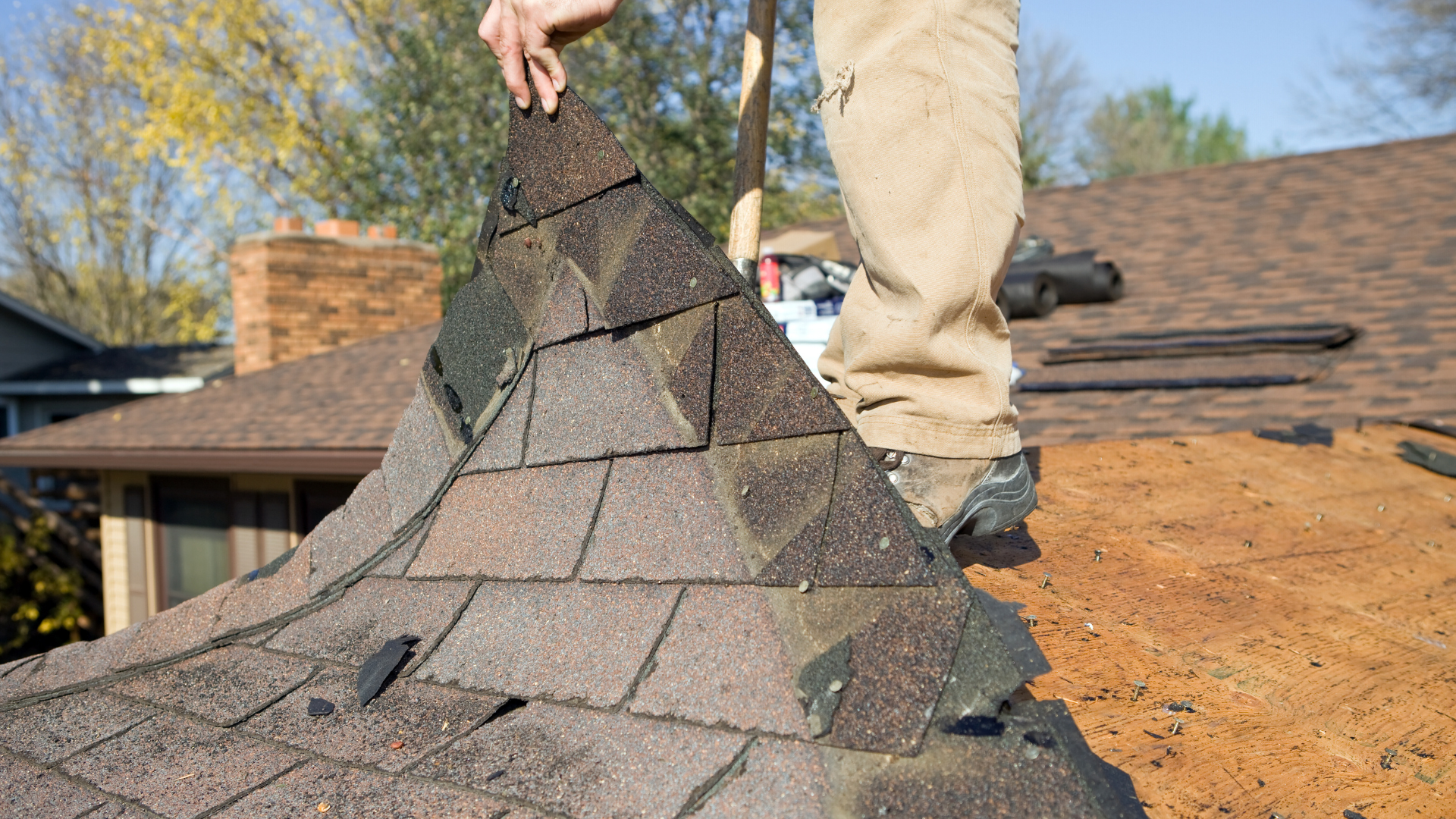
Most homeowners do not think about their roof until something goes wrong. A leak, a water stain on the ceiling, a call from a neighbour who noticed something from the street. By the time any of those things happen, the damage has usually been building for years.
The uncomfortable truth is that modern shingles are not built the way they used to be. And in a climate like Brockville's, that matters more than most people realise.
The Shingle Quality Problem Nobody Talks About
Thirty years ago, an asphalt shingle roof was genuinely built to last three decades. The asphalt was thicker, the granule adhesion was stronger, and the materials were more durable overall. Manufacturers have since made changes, and not for the better. Today's shingles, even premium products from well-known brands, often begin showing significant deterioration well before the 15-year mark. In some cases, visible decline begins before year 10.
This is not a matter of poor installation or bad luck. It is an industry-wide shift in materials that has left millions of homeowners with roofs that will not last as long as they were told.
For Brockville homeowners, this is compounded by something the shingle manufacturers designing products in warmer climates do not fully account for: Eastern Ontario winters.
What Our Climate Does to Your Roof
The freeze-thaw cycle is the single most damaging natural force on an asphalt shingle roof in this part of Canada. Throughout autumn, winter, and spring, temperatures fluctuate repeatedly above and below the freezing point. Each time that happens, the moisture in and around your shingles expands and contracts.
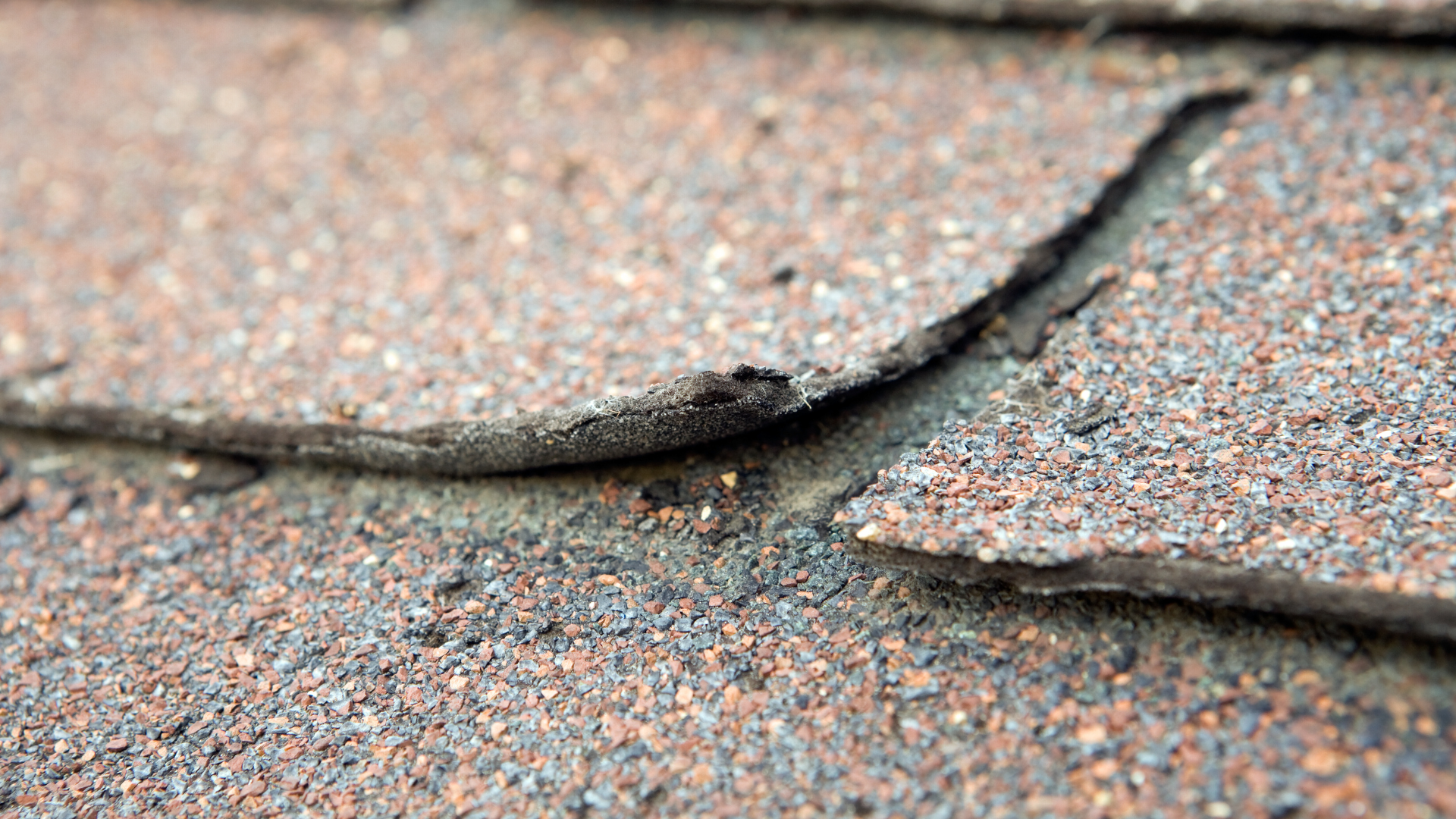
When shingles are new and flexible, they handle this movement. The asphalt gives slightly, the shingle flexes, and no lasting damage occurs. But as shingles age and the oils in the asphalt are gradually depleted by UV exposure and weathering, flexibility disappears. The shingle becomes rigid. And a rigid shingle does not flex. It cracks.
Those cracks are usually invisible from the ground. They are small, and a single crack does not cause a leak. But over the course of one Eastern Ontario winter, dozens of freeze-thaw cycles put the same stress on the same brittle surface, over and over. The cracks grow. Granules loosen and shed. Water begins to infiltrate in ways it never could when the roof was in good condition.
By the time a Brockville homeowner notices the problem, the shingles have often been failing quietly for two or three years.
What Granule Loss Actually Means
The granules embedded in the surface of your shingles are not decorative. They serve a specific and critical protective function. They shield the underlying asphalt from UV radiation, which would otherwise degrade the material rapidly. They provide fire resistance. They give the shingle its texture and help water run off cleanly.
When granules shed, all of that protection is compromised. The asphalt is exposed directly to the sun, to rain, to heat and cold. Degradation accelerates significantly. A shingle that had five good years left can lose them quickly once meaningful granule loss begins.
You may notice granules accumulating in your gutters or at the base of your downspouts. That is one of the clearest early signs that your roof is declining faster than you might expect.
Why Visual Inspections From the Street Are Not Enough
Many homeowners assess their roof by looking at it from the driveway. If the shingles look intact and roughly uniform in colour, the assumption is that things are fine. This is understandable, but it is not a reliable way to evaluate shingle condition.
The granule loss that signals early decline is not always visible from ground level. The micro-cracking that happens through freeze-thaw cycles cannot be seen without a close inspection. A roof that looks fine from the street can be several years into a decline that is approaching the point of no return.
A proper roof assessment means getting a trained eye onto the surface itself, looking at granule retention, flexibility, and the condition of the asphalt beneath the surface layer. That is what a professional inspection provides, and it is why a free roof health check is genuinely worth doing even when nothing appears wrong.
What Shingle Restoration Involves
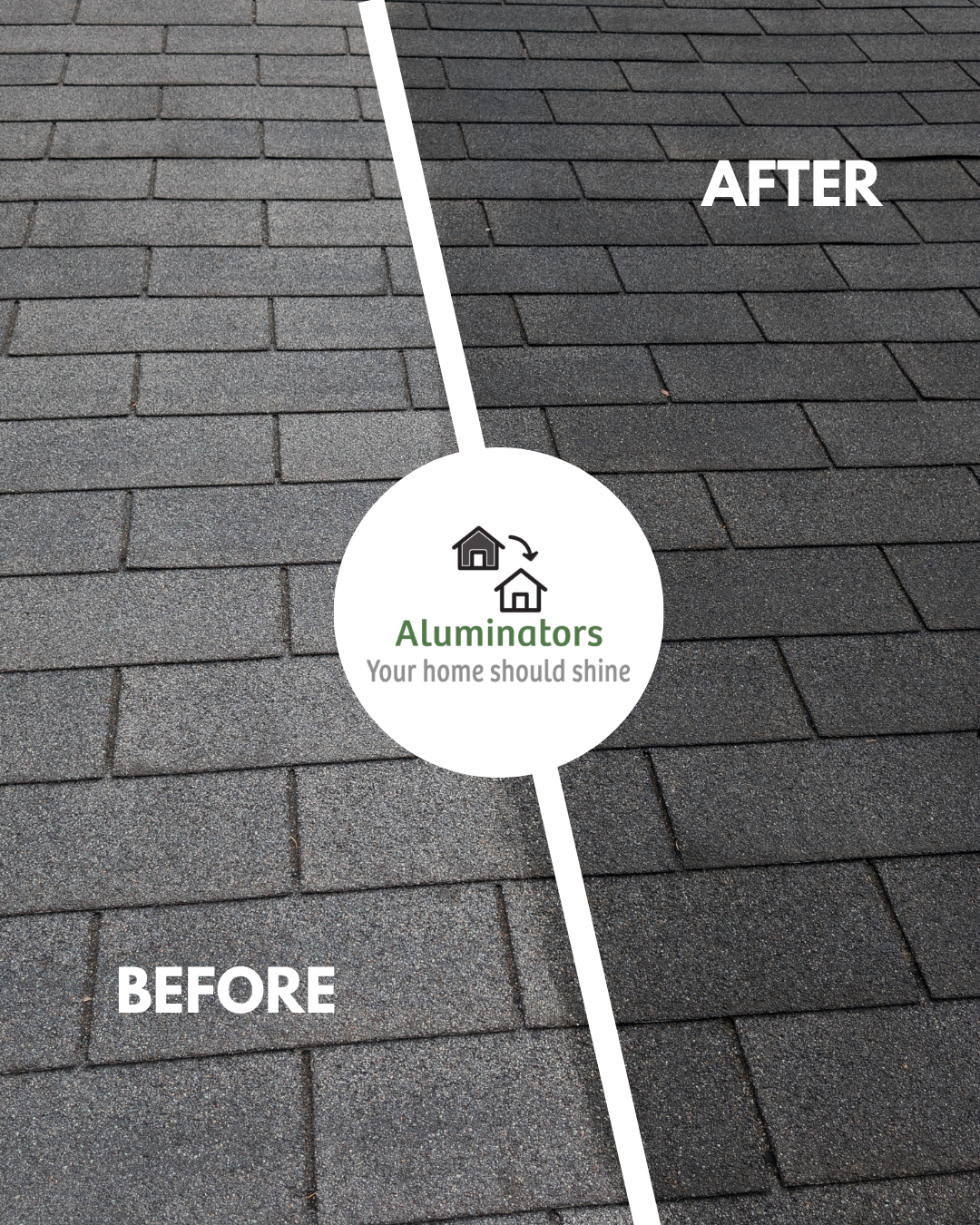
Shingle restoration is the process of treating existing, structurally sound shingles to restore the properties that time and weathering have stripped away. Specifically, it addresses flexibility, granule retention, and the underlying integrity of the asphalt itself.
Aluminators uses roof rejuvenation for this purpose. It is a soy-based rejuvenation formula developed through research at Iowa State University, and it is the only product of its kind that has been independently tested and verified to the standard. The formula penetrates into the shingle rather than sitting on top of it, working at the material level to restore what has been lost.
The results from independent testing at Iowa State University are measurable and specific:
Granule retention improved by 84% on treated shingles compared to untreated shingles. Structural flexibility was restored by nearly 50%. Fire spread was reduced by 68%. And the product was tested for pliability at temperatures 30% colder than any competing product on the market, which is directly relevant to the conditions Brockville roofs face every winter.
The Cost Comparison
A full roof replacement in Eastern Ontario typically costs between $15,000 and $25,000. It involves tearing off the existing roof, disposing of the old materials, and installing new shingles, along with the disruption of having a crew on your property for an extended period.
Shingle restoration with roof rejuvenation costs less than 15% of a full replacement in most cases. For the average Brockville homeowner, that represents a saving of more than $7,000 compared to going straight to replacement.
Restoration also comes with a 6-year transferable warranty, meaning the coverage follows the home rather than the homeowner. If you sell within that period, the warranty transfers to the new owner, a feature that is genuinely uncommon in the roofing industry and one that adds documentable value to your property.
When Restoration Is the Right Choice
Shingle restoration is not appropriate for every roof. If shingles are severely cracked, missing, or if there is active water infiltration, those issues need to be addressed first. A roof that has already failed structurally is beyond what restoration can address.
But for the majority of Brockville roofs between 5 and 20 years old that are showing early to moderate signs of wear, restoration is a realistic and cost-effective path to extending the roof's lifespan meaningfully. The key is catching it at the right time, which is why an honest assessment from someone who will tell you the truth about what they find matters.
Aluminators in Brockville
Aluminators is Eastern Ontario's only certified applicator. We are a family-owned business based in Brockville, and we offer free roof assessments with no obligation. We will inspect your shingles, tell you honestly what we find, and give you a clear recommendation on whether restoration is the right option for your roof.
If it is not, we will tell you that too.
Book Your Free Roof Health Check
If your roof is more than five years old, now is the right time to find out what condition it is actually in.
Aluminators is Eastern Ontario's certified applicator, based in Brockville, Ontario.
Serving Brockville, Kingston, Smiths Falls, Prescott, Gananoque, and surrounding areas.
